Table Of Content
Go for the unsweetened stuff, and you’ll pack 24 grams of protein (remember, the building blocks of your hair!) without all the added sugar that many yogurts pack. Not to mention, you’ll get a nice dose of calcium at 282 mg, which plays a role in keeping hair healthy, but many women start to lack past age 49, research shows. Eat on its own with vitamin C-rich berries, throw into protein smoothies, or make a healthier dip and skip the sour cream. This antioxidant helps prevent oxidative stress that may lead to hair loss,” says Gomer. Aside from aging, illness, and genetics, malnutrition is one of the most common causes of hair loss. Following a healthy, well-balanced diet can help people maintain typical levels of hair growth and replacement.
What Vitamin Deficiencies Can Cause Hair Loss? - Healthnews.com
What Vitamin Deficiencies Can Cause Hair Loss?.
Posted: Tue, 12 Dec 2023 08:00:00 GMT [source]
Top 10 Foods for Healthy Hair
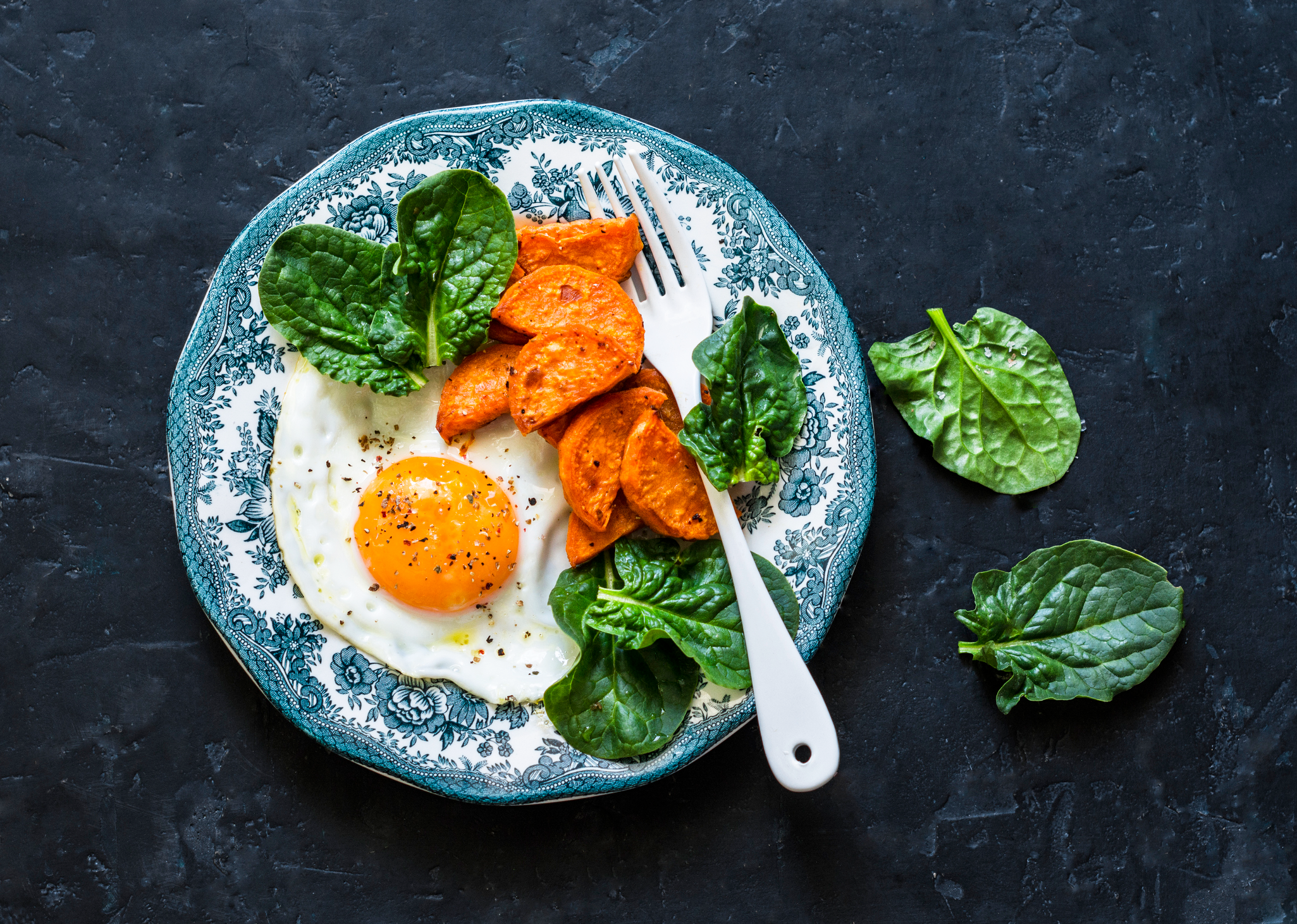
“Alcohol dehydrates you and preoccupies our bodies with filtering it out, thus preventing our bodies from doing their normal day-to-day maintenance, which includes working to sustain our skin and nail health,” Tomaschko says. The review also included studies indicating vitamin C could help with collagen production and reduce the appearance of wrinkles. “Vitamin A promotes keratin production and is essential for skin and nail health,” Tomaschko says. Serve salmon with baked sweet potatoes and a side of fresh spinach salad topped with nuts and seeds. One cup of blueberries contains 24% of the recommended daily intake for vitamin C, while raspberries contain 53% and strawberries contain 141%. These berries are also good sources of vitamin B6, magnesium, and iron.
Brazil nuts
A 3.5-ounce (100-gram) serving of black beans provides up to 14% of a female’s daily zinc needs and 10% for males (30). Beans are a great plant-based source of protein, which is essential to hair growth. Vitamin C helps promote collagen production, which can help strengthen your hair strands.
Addressing shortfalls through diet and supplements: Does it help hair growth?
Some people even use cayenne pepper topically to increase circulation and improve hair growth. ‘Avocados are rich in Vitamin E, an antioxidant that provides nourishment to the hair. Consuming just a medium-sized avocado provides approximately 28 per cent of your daily vitamin E requirements,’ says Agyeman. One study published in Tropical Life Sciences Research found that vitamin E supplements significantly increased the number of hairs in a group of 21 volunteers suffering from hair loss compared to the placebo group.
'Zinc is an antioxidant mineral that also increases keratin production,' Yawitz says. If a person is zinc deficient, supplementing with zinc may reverse their hair loss. You don’t have to nix them all together, but limiting intake can decrease inflammation and skin dehydration, bettering hair, skin, and nail health. Now that you’ve read through this list of the 15 best foods to eat for hair growth, you could be wondering how to pull these foods into meals that benefit your hair. A one-cup serving contains 41 grams of protein or 82% of the daily recommendation.

Adding a sprinkle to your salads or eating a handful for a snack offers biotin and plenty of plant-based protein. If you're vegan, you can still get in on the hair growth benefits of yogurt by opting for a plant-based version such as almond or cashew. Just make sure you choose a high-protein option and opt for one that contains plenty of hair growth nutrients such as protein and iron. Yogurt is a fantastic food for hair health, providing lots of protein, B vitamins, and sometimes vitamin D. It’s just an added bonus that it is also calcium-rich, supporting healthy bones. A breakfast time favorite, yogurt can be easily added to smoothies, parfaits, savory dips and marinades, or even pancake recipes.
Best Foods for Hair Growth and Thickness, According to Dietitians
Greek yogurt, which is known to help support gut health, also provides nutrients that support healthy hair growth. One of its key compounds is vitamin B5, or pantothenic acid, which helps promote healthy blood flow to the scalp and hair follicles. Yogurt also contains decent amounts of protein for building healthy hair shafts.
vitamin D

A ½ cup serving of cooked spinach supplies around .5 mcg, or 2% of the daily recommendation. One cup of raw spinach provides 194 mcg of folate or around 48% of the daily recommended intake. It's important to note that leafy greens contain non-heme iron, a plant-based form of iron that isn't as easily absorbed as heme iron (aka the kind in animal foods).
Sweet Potatoes to Fight Dull Locks
It also encourages the glands in your scalp to make an oily fluid called sebum that keeps hair from drying out. You can also find beta carotene in other orange vegetables like carrots, pumpkin, cantaloupe, and mangoes. But you can find this important nutrient in fortified cereal, grains, and pastas, and in soybeans and lentils. Several creams, supplements, and other remedies are sold online and in stores to help promote hair growth.
This explains why people on oral isotretinoin (Claravis, or Absorica, and formerly Accutane) for severe acne may have experienced hair loss. That’s why getting zinc from foods like oysters may be better than supplements since foods provide zinc in small but healthy doses (29). Oxidative stress occurs when free radicals overwhelm the body’s antioxidant defense system. Nuts are tasty, convenient, and contain a variety of nutrients that are important for hair growth. Some studies have found lower levels of vitamin E in people with hair loss, but the evidence is conflicting (1). Like vitamin C, vitamin E is an antioxidant that helps prevent oxidative stress by neutralizing free radicals.
Beth Ann Mayer is a New York-based freelance writer and content strategist who specializes in health and parenting writing. She is a co-founder of digital content agency Lemonseed Creative and is a graduate of Syracuse University. However, a 2020 study indicated several risks to taking supplements for beauty, including an increased risk of cancer with long-term use.
Many health organizations recommend eating two servings of fish per week, and salmon is a delicious and versatile option you’ll want to add to your grocery list. If you don't eat seafood, talk with your healthcare provider to see if taking a supplement is the right plan for you. Omega-3s are also found in some nuts and seeds, such as flaxseeds, but it's in a different form. Rather, eating a balanced, nutritious diet that provides the necessary macro and micronutrients can help hair growth. This includes protein sources like fatty fish and red meat and plant foods high in vitamins and other nutrients like spinach, seeds, and nuts.


No comments:
Post a Comment